Galdr — The spoken magick of Iceland
Galdr is borrowed by Old Norse and means Witchcraft, sorcery, magick, incantation, ritual work. In my previous post, we opened the door to the strange and fascinating world of the Galdrabók, the Icelandic grimoire that stands at the heart of this series.
Today, I would like to take a step back and look at one of the most important words in that world: galdr. What exactly is galdr?
The simplest translation is usually “magic” or “spell”, but that translation does not quite capture the atmosphere of the word. Galdr belongs to an older world in which words were not merely descriptions of reality.
Words could be used to influence reality. And that idea is essential if we want to understand Icelandic magick.
When words become magickal
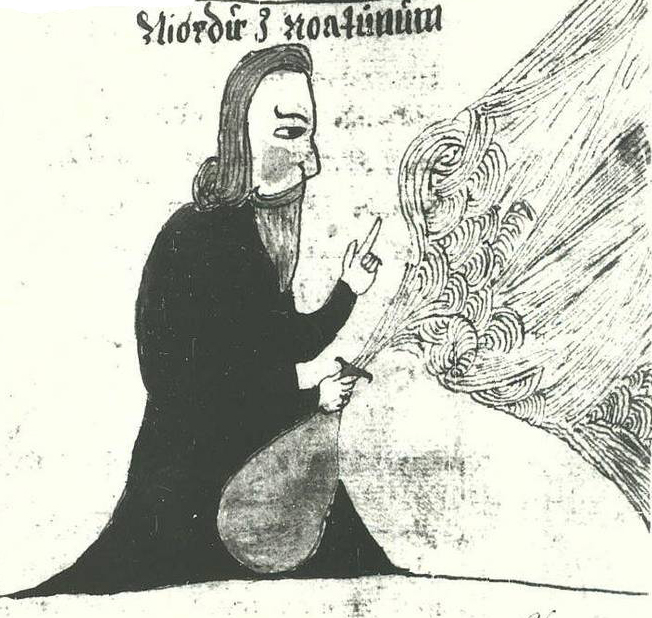
The Icelandic magickal tradition contains many different techniques: runes, signs and staves, written formulas, invocations, objects, herbs and other materials. But alongside these physical expressions of magick was the power of the spoken word.
A galdr could be a magickal song, chant, incantation or formula. Perhaps maybe a rhyming poem that is formed into a Witch spell.
This is one reason the word galdr is so interesting. It points us toward a form of magick in which voice, rhythm, intention and words work together.
For a modern reader, it can be tempting to think of a spell as simply a set of mysterious words that are supposed to produce a particular result.
The historical material is more complicated than that. A magickal working could involve words together with signs, actions and particular objects. The spoken formula was one part of a larger magickal practice.
Stephen Flowers places considerable emphasis on this practical character of Icelandic magick in his work on the Galdrabók.
Rather than treating magick simply as mythology or folklore, he examines the surviving magickal books as evidence for how people actually understood and practiced magick.
The fascinating mixture
inside the Galdrabók
One of the things that makes the Galdrabók so compelling is that it does not present us with a neat, untouched example of “pagan Viking magick.”
It is a much more complicated document. The manuscript was compiled in the late sixteenth and seventeenth centuries, and its material reflects a world in which older Germanic traditions existed alongside Christianity and other influences.
The surviving spells include Icelandic magickal signs and runic material, references to Norse gods, Christian prayers and names, and other elements that do not fit comfortably into a single religious category.
It reminds us that magickal traditions do not always disappear when religions change. Sometimes they adapt. They borrow. They conceal themselves. They acquire new names and new explanations while older ideas continue underneath.
I find this one of the most fascinating aspects of Icelandic magick. It is not simply a window into a distant pagan past. It is also a record of survival and transformation.
Magick for ordinary problems
There is another feature of the Galdrabók that deserves attention. The spells are not all concerned with grand supernatural mysteries. Some are remarkably practical.
The manuscript contains workings connected with protection, illness, childbirth, sleep, trouble at sea and other everyday difficulties. There are also spells with much darker or more aggressive purposes.
This gives us a glimpse into a very human relationship with magick. Imagine living in Iceland centuries ago. The landscape is harsh. The sea can be dangerous. Medical knowledge is limited. Travel is difficult. A person’s security can depend upon weather, luck, reputation, neighbours and forces that seem far beyond individual control.
In such a world, the desire for protection, healing, knowledge and influence is hardly mysterious. Magick becomes practical. It becomes something a person might turn to when ordinary means were not enough.
The magickal sign
and the magickal word
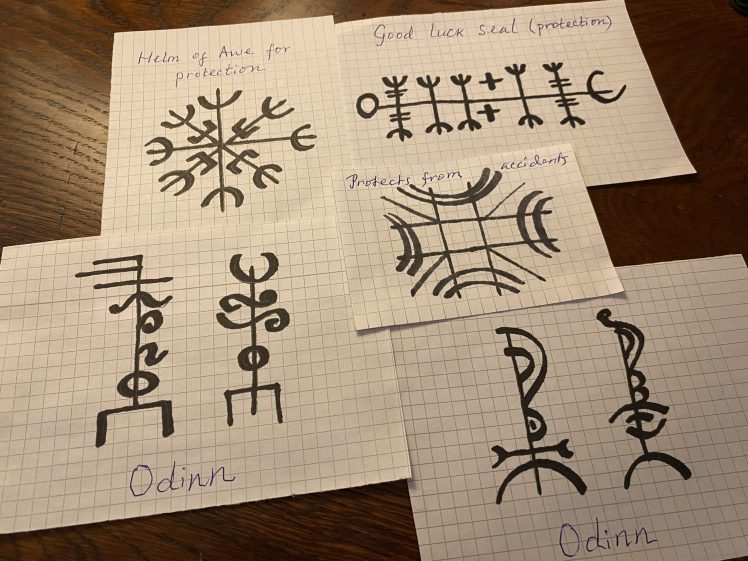
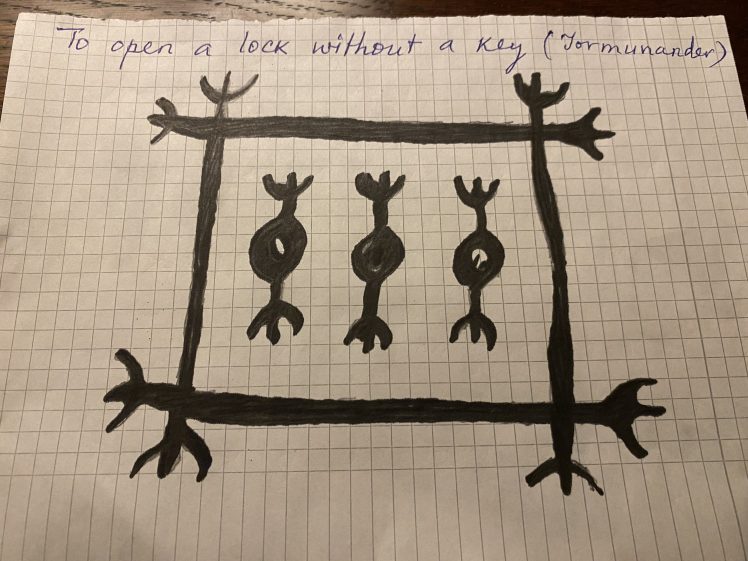
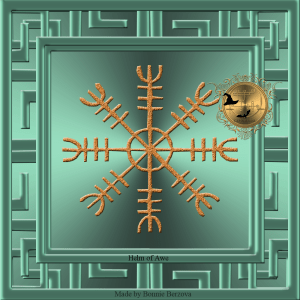
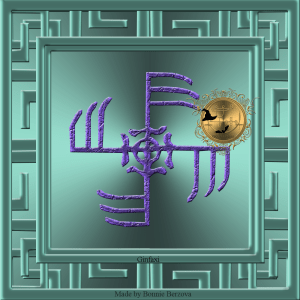
As we continue through this series, we will encounter another famous feature of Icelandic magick: the galdrastafir, the magickal staves or signs.
To modern eyes, these symbols can look almost like a secret alphabet. But it is worth resisting the temptation to treat every Icelandic magickal stave as an ancient Viking symbol.
Many of the surviving magickal manuscripts belong to the early modern period, long after Iceland’s conversion to Christianity. The history of these symbols is therefore more complicated than many modern presentations suggest.
The Galdrabók itself contains a fascinating combination of written formulas and magickal signs. This gives us an important clue about the nature of the tradition.
The word and the sign belong together. One is spoken. The other is seen. One moves through sound. The other is fixed into a physical form. Both attempt to give intention a form that can act upon the world.
A tradition worth
approaching carefully
There is something else I would like us to keep in mind as we explore Icelandic magick. The modern popularity of runes, Norse mythology and Icelandic magickal staves has produced many beautiful interpretations, but modern spirituality and historical Icelandic practice are not necessarily the same thing.
The surviving sources are fascinating precisely because they are messy. They contain Christian and pre-Christian elements. They contain practical remedies alongside curses. They preserve older ideas while also showing the influence of later centuries.
That complexity does not make them less magickal. For me, it makes them far more interesting.
The Galdrabók is not a perfectly preserved relic from the Viking Age. It is a surviving piece of a living tradition that changed over time. Flowers describes the surviving Icelandic magickal manuscripts as evidence of a tradition that continued to develop for centuries, eventually reaching into the modern period.
And perhaps that is the best way to approach them: not as a museum piece, but as a record of people trying to understand and influence an uncertain world.
My blog
Here is my blog.




 LUCIFERA666